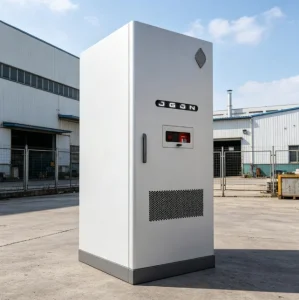
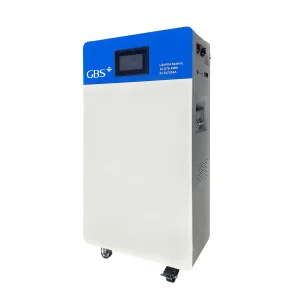
Optimized product architectures designed to withstand regional grid voids and high thermal thresholds.
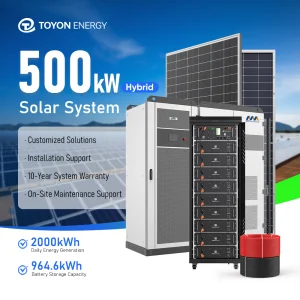
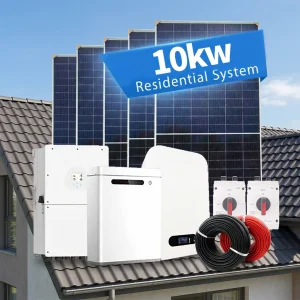
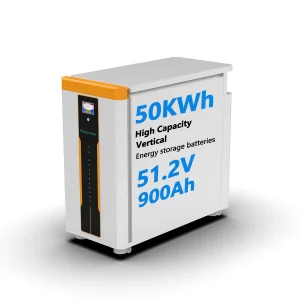
Malakal, the strategic heart of South Sudan’s Upper Nile State, faces structural electrification deficits that pose severe challenges to local enterprise, healthcare centers, humanitarian outposts, and agricultural cold-storage chains. Operating within a setting characterized by a fragmented utility grid, localized businesses and NGOs depend heavily on high-cost diesel generation. The logistics of diesel sourcing—susceptible to seasonal transit disruptions along the Nile waterway and volatile border routes—expose regional enterprises to high operational expenditures and frequent power failures.
In response to these conditions, implementing Industrial Solar Energy Storage Systems (BESS) has transitioned from an ecological alternative to a core logistical necessity. In Malakal, solar energy generation coupled with smart chemical energy storage mitigates fuel dependency by up to 85%. This transition stabilizes critical localized networks, secures communications infrastructure, and yields predictable amortization schedules for capital investments.
Operating solar storage systems in the Upper Nile basin requires addressing specific environmental challenges. Ambient dry-season temperatures frequently exceed 40°C, and fine dust particulates can infiltrate standard inverter cabinets. Consequently, standard commercial-off-the-shelf energy systems often experience thermal degradation and early cell failure. A successful system deployment demands industrial-grade thermal management, advanced active cell balancing, and robust enclosure protection ratings.
Industrial operators, humanitarian agencies, and telecommunication providers in Malakal require reliable, continuous power. Standard residential batteries are insufficient for these demanding loads. Our project profiles focus on commercial and industrial (C&I) configurations, which are designed to support heavy continuous loads and starting currents from motors, pumps, and cooling systems.
Combining high-voltage LFP battery banks with existing diesel generators. The intelligent power management unit (PCS) prioritizes solar charge, utilizes batteries for peak loads, and triggers diesel backup only during prolonged cloudy periods.
Transitioning fuel delivery intervals from bi-weekly to bi-monthly. By running generators at their optimal load curve (instead of inefficient low-load conditions), fuel efficiency is optimized and component wear is reduced.
Employing either liquid-cooled or robust cabinet ventilation designs. High-ambient cells maintain a narrow operational window (typically 20°C to 30°C) to prevent thermal runaway and maintain their 10+ year cycle life.
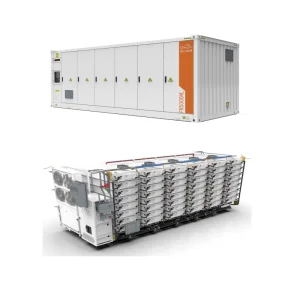
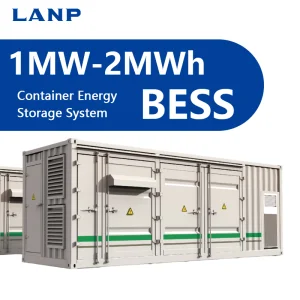
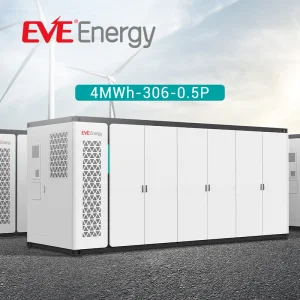
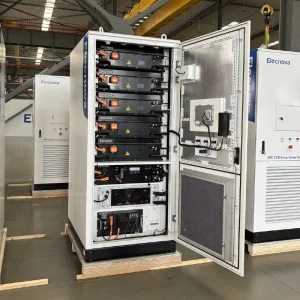
A key focus area is the installation of containerized battery energy storage systems (BESS) at regional distribution points, agricultural processing facilities, and NGO regional headquarters. These containerized systems (ranging from 1MW/2MWh to 4MWh) arrive pre-engineered and factory-commissioned. This design minimizes field installation challenges in remote locations where skilled labor may be limited.
For hot climates like Malakal’s, selecting the correct battery chemistry is critical to system longevity. Lead-acid batteries degrade rapidly under high temperatures, and standard ternary lithium (NMC) batteries present safety challenges in harsh conditions. Therefore, Lithium Iron Phosphate (LiFePO4) chemistry is the preferred choice for industrial deployments in South Sudan.
LiFePO4 exhibits high structural stability and resistance to thermal runaway. In environments where ambient air temperatures exceed 40°C, internal cell temperatures can easily reach 50°C during rapid discharge or charging. Our high-voltage cabinet systems utilize intelligent thermal management, including active fan-forced cooling and internal liquid-cooled pathways, to maintain uniform cell temperatures. This mitigates localized hotspots, which can cause uneven cell degradation and reduce system capacity over time.
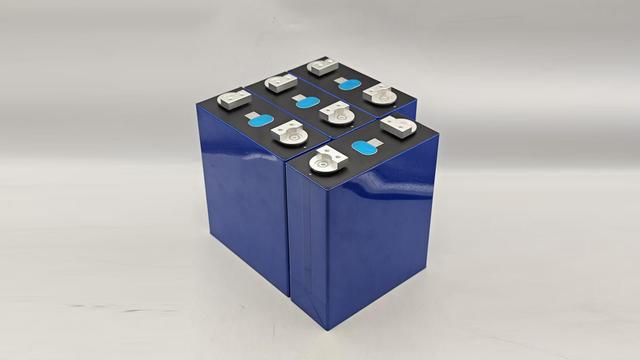
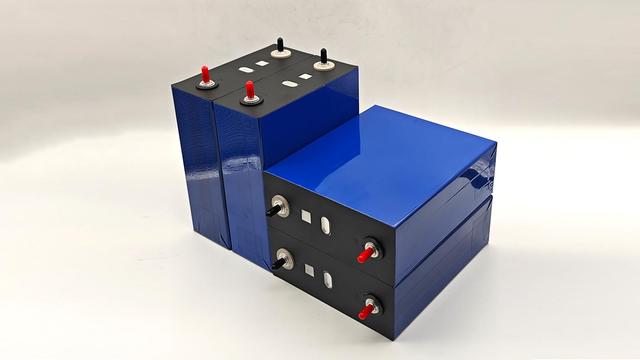
A primary factor in total cost of ownership (TCO) calculations is system cycle life. Shenzhen PowerSTN Energy Co., Ltd. supplies LiFePO4 configurations that deliver >6,000 cycles at 80% Depth of Discharge (DoD) under nominal conditions. Even in harsh remote environments, these systems deliver reliable service life. This performance is sustained by high-grade 314Ah prismatic cells controlled by a dual-processor Battery Management System (BMS) that monitors voltage, current, and cell temperature on a real-time basis.
Deploying heavy infrastructure like solar energy storage systems in Malakal involves complex logistical and shipping challenges. Handling large lithium-ion battery banks requires adherence to strict global safety standards (such as UN38.3 transport testing and Class 9 hazardous materials handling) as well as careful coordination of local transport routes.
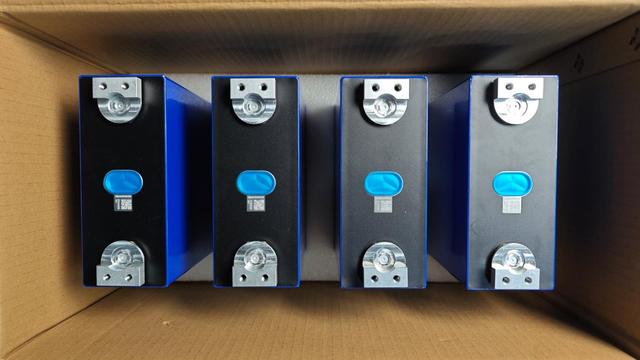
We work closely with logistics partners to coordinate delivery routes. Shipments generally travel via the Port of Mombasa or Port Sudan, continue overland to Juba, and are then transported to Malakal via river barge or specialized land routes during dry seasons. All systems are crated in high-impact, moisture-proof export packaging to prevent physical shock and ingress during transit.
Additionally, our engineering department provides comprehensive remote support, pre-wired interconnect packages, and standardized wiring schematics. This documentation allows local contractors or field staff to install, commission, and maintain the equipment safely, even in remote locations.
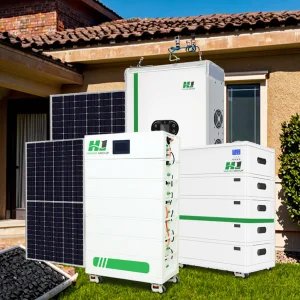
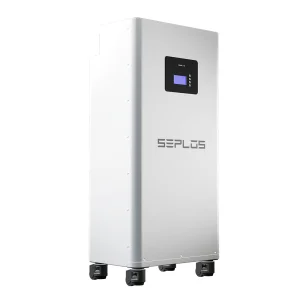
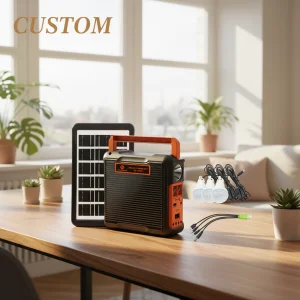
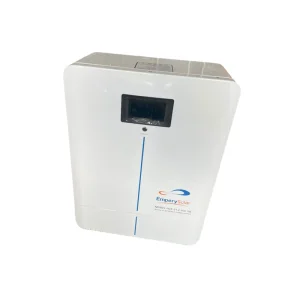
From modular household solar systems to high-capacity multi-megawatt containerized utility solutions.
Commercial energy storage procurement involves long-term operational planning. Key aspects of our engineering, supply chain, and local support strategies include:
Shenzhen PowerSTN Energy Co., Ltd. provides robust systems designed to withstand challenging environmental conditions in markets like South Sudan. Our focus on thermal management, high-quality components, and remote diagnostics ensures operational longevity and project security.
Answers to engineering, shipping, and installation questions for projects in the Upper Nile region.
Shenzhen PowerSTN Energy Co., Ltd. is a China-based manufacturer specializing in advanced energy storage battery solutions for residential, commercial, and industrial applications. The company focuses on the development, production, and integration of lithium battery systems designed to support renewable energy utilization, backup power supply, and energy management projects worldwide.
With a commitment to innovation and quality, PowerSTN provides a comprehensive portfolio of energy storage products, including residential energy storage systems, commercial and industrial battery solutions, solar energy storage batteries, off-grid power systems, hybrid energy storage platforms, and containerized battery energy storage systems. These solutions are engineered to help customers improve energy efficiency, enhance grid stability, and maximize the value of renewable energy investments.
The company operates modern manufacturing facilities equipped with advanced production technologies and strict quality control procedures. From battery cell selection and battery pack assembly to system integration and performance testing, every stage of production is managed to ensure reliability, safety, and long-term operational performance.
PowerSTN serves customers across multiple industries, including renewable energy, telecommunications, data centers, utilities, manufacturing, commercial facilities, and infrastructure projects. Its engineering team works closely with clients to deliver customized energy storage solutions tailored to specific project requirements and operational environments.
In addition to manufacturing capabilities, Shenzhen PowerSTN Energy Co., Ltd. offers OEM and ODM services for global brands, distributors, system integrators, and energy solution providers. By combining technical expertise, flexible production capacity, and customer-focused support, the company aims to be a trusted partner for organizations seeking reliable and scalable energy storage technologies in the rapidly evolving global energy market.
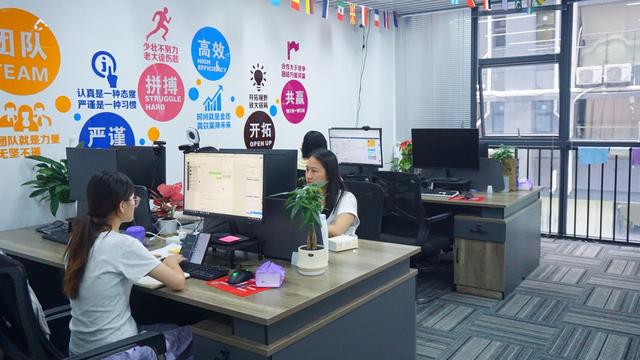
Speak directly with a PowerSTN design engineer. We provide technical designs, compliance documentation, and detailed logistical proposals for installations in South Sudan.
Send Inquiry Now PowerSTN Energy