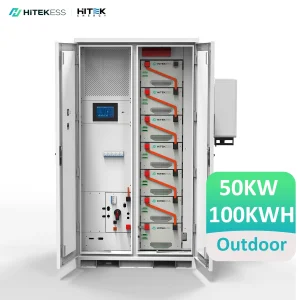
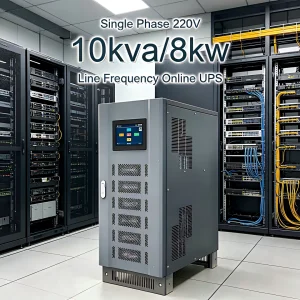
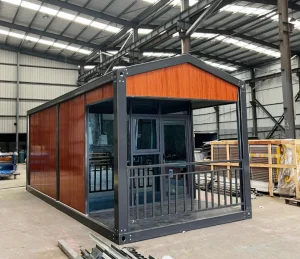
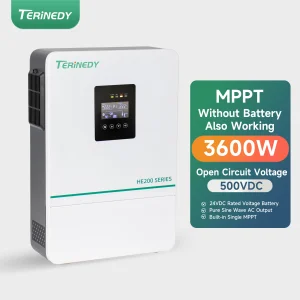
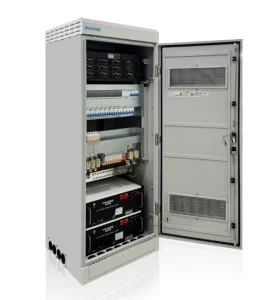
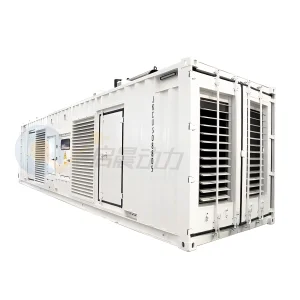
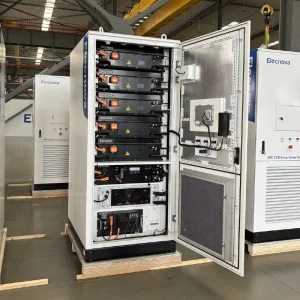
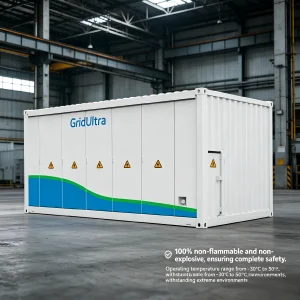
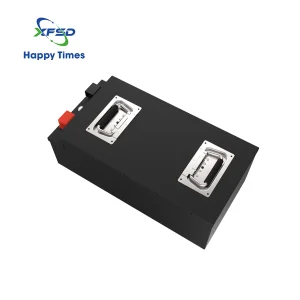
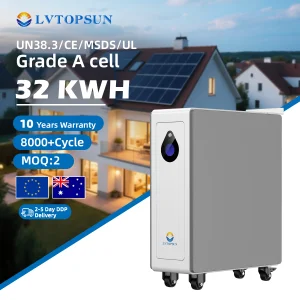
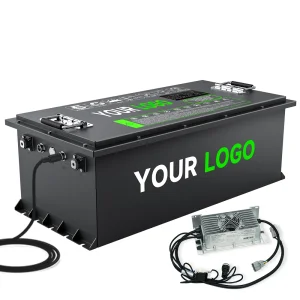
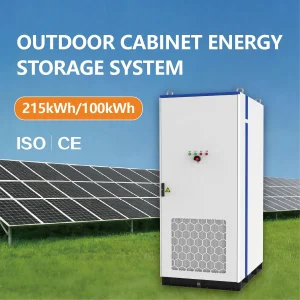
The global transition toward carbon-neutral infrastructure requires flexible, highly resilient, and modular electrochemical energy storage systems (BESS). As wind, solar, and other intermittent renewable sources continue to dominate the power generation mix, energy storage applications serve as the vital link stabilizing grid networks, minimizing transmission bottlenecks, and enabling load shifting for commercial, industrial, and residential sectors. A-grade lithium iron phosphate (LiFePO4) technology has emerged as the premier chemistry, offering safety configurations and thermal stabilities far exceeding conventional options.
For large-scale infrastructure developers, telecommunication network operators, data centers, and multi-megawatt solar plant managers, selecting an energy storage manufacturing partner is not just about battery cells; it is about finding robust OEM/ODM engineering integration capabilities. Specialized factories must address complex variables including system safety under thermal runaway, efficient heat rejection pathways, intelligent Battery Management Systems (BMS), high-density container configurations, and strict localization protocols for compliance across multiple jurisdictions.
Key Insight: Modern industrial and commercial storage demands have evolved from simple battery components to integrated intelligence. This integration combines hybrid power conversion systems (PCS), intelligent EMS software, and robust liquid cooling thermal loops inside ready-to-run container units.
When procurement officers, engineering teams, and utility developers source energy storage applications, their decision matrix focuses heavily on reducing total cost of ownership (TCO) and mitigating financial and technical risk. B2B procurement in the energy sector involves multi-million dollar capital expenditure, meaning technical parameters must be verified to ensure system operations last 10, 15, or even 20 years.
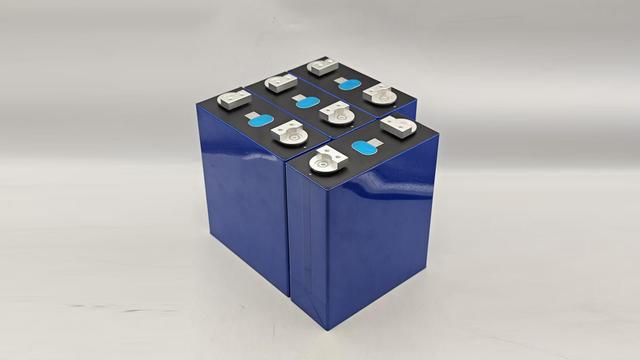
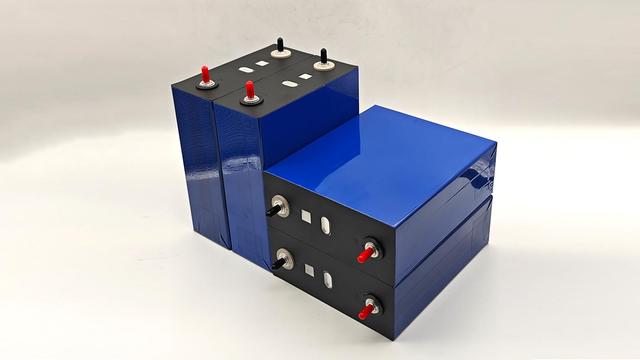
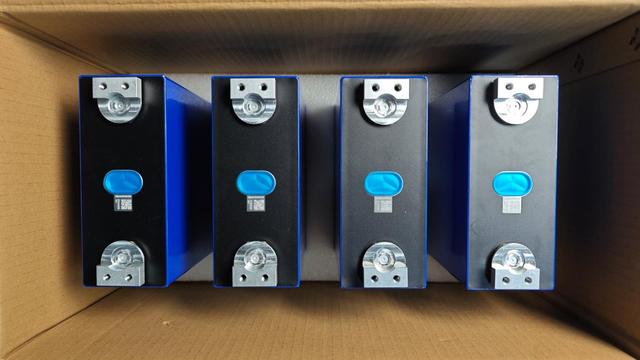
Verification of Grade-A lithium iron phosphate cells with traceable batch numbers to ensure consistent capacity, low internal resistance, and predictable aging curves.
Dual-layer or triple-layer Battery Management Systems equipped with active balancing, CAN/Modbus communication, and early warning diagnostic protocols.
Integration of regional-specific fire protection schemes (e.g., NFPA 855 standards, aerosol-based fire suppression, gas detection, and explosion relief panels).
Furthermore, bankability is a major factor. Utility and commercial scale buyers need clear performance warranties that explicitly guarantee capacity retention (e.g., at least 70% capacity after 6,000 to 8,000 cycles at 0.5C/0.5C rate at 25°C). Industrial clients also require OEM/ODM suppliers to showcase elastic production limits, supply chain vertical integration (such as in-house structural metal processing, cell matching, and testing capabilities), and reliable shipping safety certifications (UN38.3, MSDS).
Modern electrical grids present unique layout challenges, and a one-size-fits-all energy storage design is no longer viable. Advanced OEM/ODM factories engineer custom systems based on the specific electrical characteristics, environmental threats, and duty cycles of different commercial and industrial application zones:
| Industry Vertical | Primary Operational Use Case | Technical Architecture Requirements | Typical System Size |
|---|---|---|---|
| Commercial & Industrial (C&I) | Peak shaving, load shifting, emergency backup power | Compact layout, high energy density, liquid or forced air cooling, hybrid grid-tied functionality | 50kWh to 500kWh (Cabinet/Modular) |
| Utility-scale & Microgrids | Grid stabilization, frequency regulation, black start capability | Multi-container (20ft/40ft), high voltage DC systems (1000V/1500V), liquid cooled, integrated HVAC and fire suppression | 1MWh to 50MWh+ (Containerized) |
| Telecom Networks | Off-grid hybrid power, base station auxiliary backup | Split rack-mount form factors, modular hot-swapping, wide operating temperature range (-20°C to 55°C) | 5kWh to 50kWh (Rack-mounted) |
| Off-Grid Remote Sites | Mining camps, island communities, construction generator support | Robust structural housings, heavy-duty vibration proofing, integration with diesel/gas gensets via ATS | 100kWh to 2MWh (Trailer/Rugged Container) |
By defining target technical configurations at the procurement phase, enterprises can choose between flexible air-cooled cabinets for indoor utilities or liquid-cooled outdoor containers designed to withstand extreme desert heat or maritime humidity. This alignment ensures peak efficiency, prevents premature battery degradation, and maximizes ROI.
The energy storage industry is moving from simple battery integration to advanced power system design. Companies are continuously upgrading their technology stack to offer more power, longer lifespans, and better safety. The following technical milestones define the roadmap for our current and next-generation energy storage products:
Moving from 1000V to 1500V system architecture reduces the need for extensive wiring, lowers systemic current draw, improves round-trip efficiency by up to 2%, and allows for higher energy density per footprint.
Replacing traditional fan forced-air systems with intelligent liquid cooling loops reduces internal cell temperature differences to within ±2°C. This prevents localized aging hotspots and extends operational lifespan by up to 20%.
Integrating machine-learning models into Energy Management Systems (EMS) allows operators to monitor cell degradation curves, predict thermal issues before they occur, and plan maintenance to prevent unplanned downtime.
In addition to software improvements, battery manufacturers are working to integrate solid-state lithium cells and high-temperature LFP chemistries. These advancements aim to eliminate thermal runaway risks and reduce the need for active refrigeration in hot environments. By implementing these engineering updates, OEM/ODM partners can deliver systems that remain compatible with future grids for decades to come.
A reliable supplier must provide more than off-the-shelf products. We support customers through a structured OEM/ODM engineering process, helping turn initial design requirements into fully certified and operational energy storage systems:
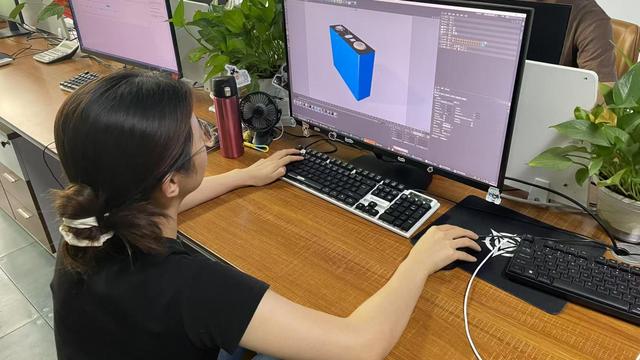
Our engineers work with clients to calculate load profiles, backup runtimes, discharge speeds (C-rates), environmental parameters, and physical size limits.
We configure battery packs using custom cell options, structural brackets, busbar setups, and specialized BMS configurations to fit the target space.
We perform thermal testing using Finite Element Analysis (FEA) to confirm heat dissipation patterns under high discharge rates, ensuring the cooling system works reliably.
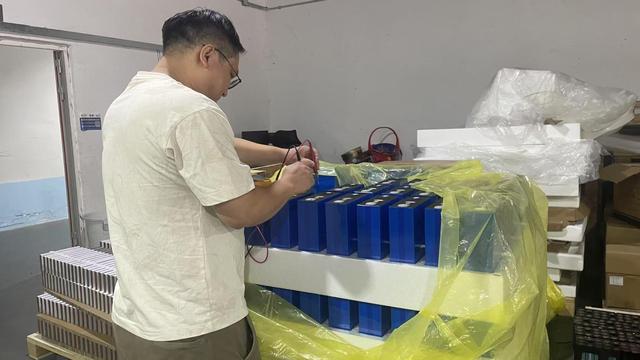
Every custom energy storage system undergoes rigorous testing, including high-voltage insulation tests, cycle aging, and thermal stability checks, matching global certification standards.
This design-to-delivery structure helps prevent common engineering errors, reduces integration costs, and speeds up time-to-market for regional project developers and global brands.
Deploying grid-scale or commercial battery storage requires meeting strict regional regulations. Different markets enforce different rules to ensure safety, grid compatibility, and environmental compliance. Our production processes and material choices are designed to comply with major international standards:
Additionally, we work with project developers to supply certified components, simplify local permit approvals, and streamline grid connection processes. We run ongoing testing programs to verify product performance and reliability over time.
Shenzhen PowerSTN Energy Co., Ltd. is a China-based manufacturer specializing in advanced energy storage battery solutions for residential, commercial, and industrial applications. The company focuses on the development, production, and integration of lithium battery systems designed to support renewable energy utilization, backup power supply, and energy management projects worldwide.
With a commitment to innovation and quality, PowerSTN provides a comprehensive portfolio of energy storage products, including residential energy storage systems, commercial and industrial battery solutions, solar energy storage batteries, off-grid power systems, hybrid energy storage platforms, and containerized battery energy storage systems. These solutions are engineered to help customers improve energy efficiency, enhance grid stability, and maximize the value of renewable energy investments.
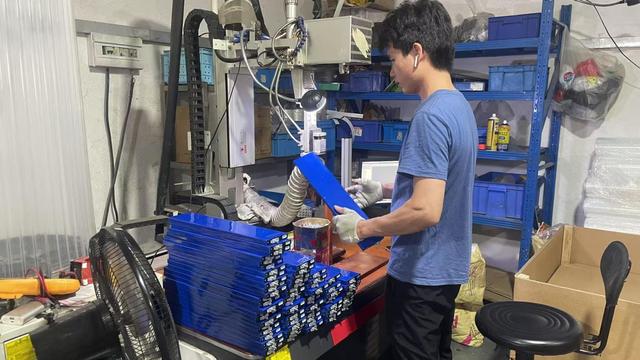
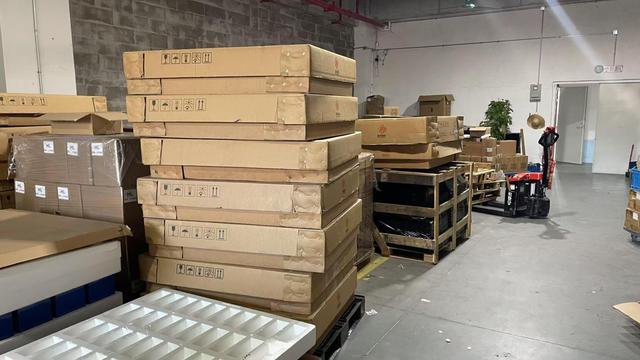
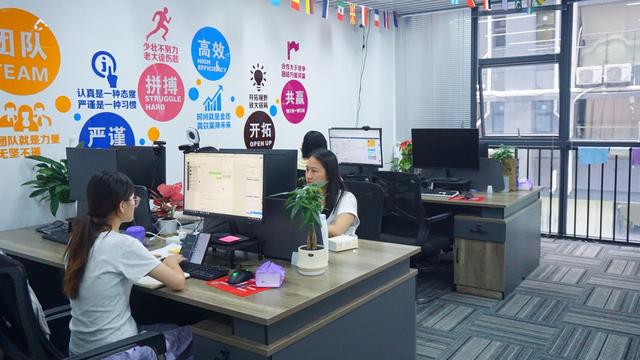
The company operates modern manufacturing facilities equipped with advanced production technologies and strict quality control procedures. From battery cell selection and battery pack assembly to system integration and performance testing, every stage of production is managed to ensure reliability, safety, and long-term operational performance.
PowerSTN serves customers across multiple industries, including renewable energy, telecommunications, data centers, utilities, manufacturing, commercial facilities, and infrastructure projects. Its engineering team works closely with clients to deliver customized energy storage solutions tailored to specific project requirements and operational environments.
In addition to manufacturing capabilities, Shenzhen PowerSTN Energy Co., Ltd. offers OEM and ODM services for global brands, distributors, system integrators, and energy solution providers. By combining technical expertise, flexible production capacity, and customer-focused support, the company aims to be a trusted partner for organizations seeking reliable and scalable energy storage technologies in the rapidly evolving global energy market.
Our energy storage systems utilize A-grade LiFePO4 cells, which typically provide 6,000 to 8,000 charge/discharge cycles at 80% Depth of Discharge (DoD) under standard 25°C operating temperatures. This corresponds to an operational lifespan of 15 to 20 years, depending on the system design and daily usage patterns.
Air cooling is a reliable, cost-effective option for light-duty, lower-capacity systems. Liquid cooling uses liquid thermal lines to maintain cell temperatures within a tight ±2°C range. This helps prevent hot spots, improves safety, and extends battery life, especially in high-density installations or environments with high ambient temperatures.
Yes. Our manufacturing facilities configure designs to meet local standards. We support compliance certifications including UL 1973/9540 for North America, CE and EN 62619 for Europe, and UN 38.3 for safe international shipping.
We provide full customization, including custom mechanical designs, specialized battery management software (BMS), high-density configurations, custom paint or branding, integrated hybrid inverter systems, and localized fire safety equipment.
We source lithium iron phosphate (LiFePO4) cells directly from established Tier-1 suppliers. Every cell undergoes comprehensive incoming quality control (IQC) testing to verify capacity, internal resistance, and voltage balance before assembly.
 PowerSTN Energy