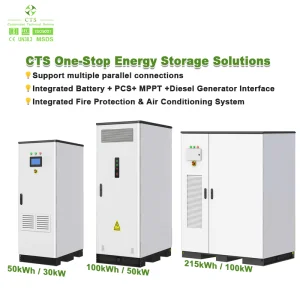
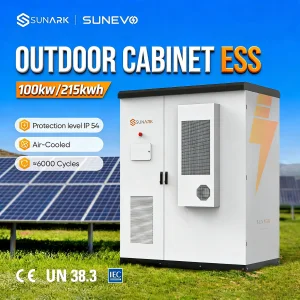
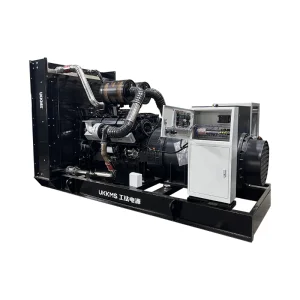
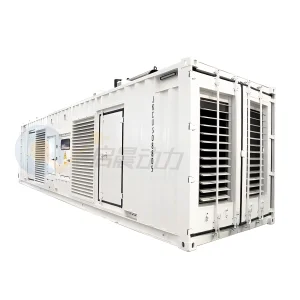
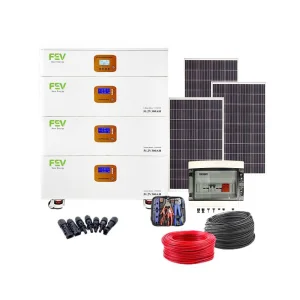
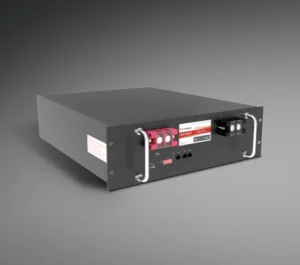
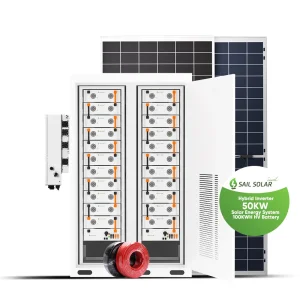
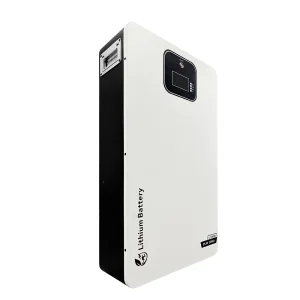
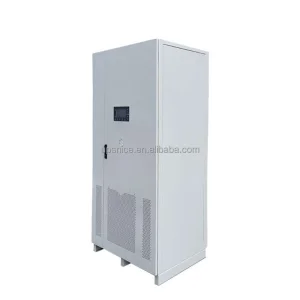
Select engineered platforms showcasing our technological breadth in high-voltage industrial battery systems, emergency backup generators, and clean vehicle charging units.
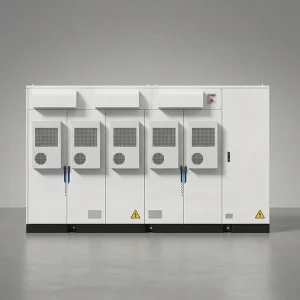
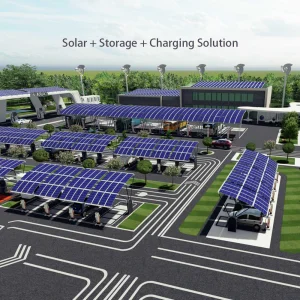
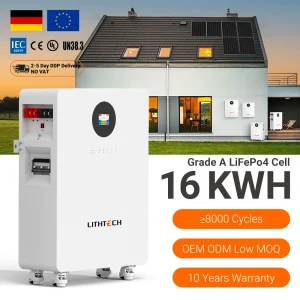
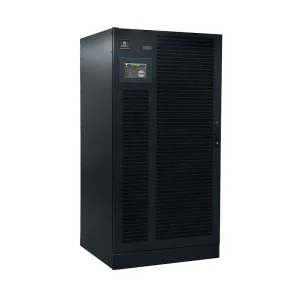
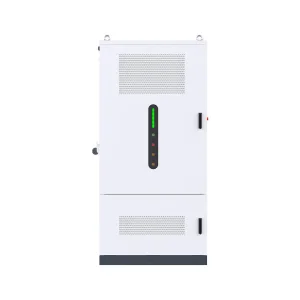
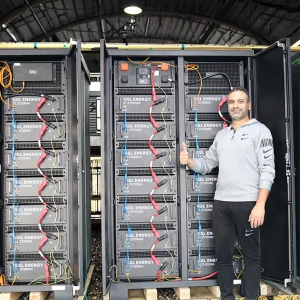
In the wake of the global clean energy transition, power transmission networks are confronting unprecedented challenges. The high intermittency of utility-scale wind and solar photovoltaic generation has triggered severe phase imbalances, frequency swings, and localized overvoltages. As standard electrical grids attempt to accommodate rapid fluctuations, Battery Energy Storage Systems (BESS) act as the critical technological buffer. By leveraging fast-acting Power Conversion Systems (PCS) and high-density Lithium Iron Phosphate (LiFePO4) chemistries, these utility-scale storage installations decouple energy generation from immediate consumption.
At a macro level, utility operators and major developers utilize our containerized energy storage platforms to perform several high-value operations:
Analyzing structural advancements in thermal dissipation, multi-level Battery Management Systems (BMS), and emergency shutdown protocols.
Our designs offer both cost-efficient forced air-cooling for mild climates and premium liquid-cooling solutions. Liquid cooling reduces cell temperature differentials to <3°C, extending overall asset cycle life by up to 25% compared to air configurations.
Engineered in compliance with EN 62619, IEC 62477, and UN38.3 standards. Features multi-level active fire suppression (Aerosol/Novec 1230) linked directly to the centralized HVAC controllers.
Real-time, cloud-connected monitoring system with redundant communication channels (CANbus, RS485, Modbus TCP). Detects micro-voltage anomalies and isolates strings before thermal runaway risks emerge.
Corporate energy management is no longer merely a budget line item; it is a vital pillar of business continuity and decarbonization strategy. Rising transmission and distribution tariffs, coupled with penalties for power factor deterioration, have driven heavy industries—such as chemical processing, metal casting, mining, and large datacenter campuses—to invest in dedicated on-site power reserves.
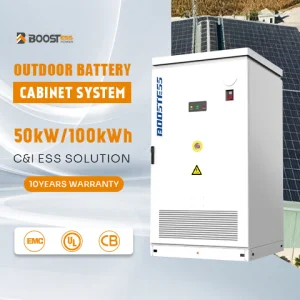
In highly regulated regions like North America and the European Union, grid operators impose stringent "demand charge" tariffs. These fees are determined by the customer's peak power draw within brief intervals (typically 15 minutes). An unmanaged electricity spike caused by heavy machinery startup can inflate monthly utility bills by thousands of dollars. By deploying custom-engineered battery setups—ranging from compact 100kWh cabinets to massive multi-megawatt container assemblies—enterprises can run "Peak Shaving" algorithms, automatically switching to stored battery power when facility demand exceeds predetermined thresholds.
The operational conditions for Large-Scale Energy Storage differ widely depending on geographic and environmental realities:
| Region / Scenario | Core Challenge | System Architecture Choice | Primary Value Stream |
|---|---|---|---|
| Remote Mining & Construction | High diesel fuel transport costs, weak or non-existent grid connections, high start-up currents. | Hybrid Containerized Systems (LiFePO4 BESS integrated with high-efficiency Diesel Generators & ATS) | Slashes diesel consumption by 30-50% while guaranteeing motor startup current capability. |
| IDC Datacenters (Telecom Nodes) | Zero-tolerance for power interruptions, high heat load, strict spatial constraints. | High-Voltage Online UPS Systems & Liquid-Cooled Rack Batteries | Instantaneous response (0ms) backup power, minimizing floor footprints and cooling energy demand. |
| Commercial & EV Charging Hubs | Severe peak grid demand charges due to fast EV charger spikes. | One-Fits-All Solar + Storage + EV DC Charging Stations | Eliminates grid upgrade costs; buffers high-current draws during fast-charging operations. |
| Rural & Agricultural Cooperatives | Unstable regional feeders, frequent storm outages, long distances to substations. | Dual-mode Grid-tie/Off-grid Microgrid Systems (Stackable LiFePO4) | Ensures complete power autonomy for irrigation and sorting lines during utility outages. |
Shenzhen PowerSTN Energy Co., Ltd. is a China-based manufacturer specializing in advanced energy storage battery solutions for residential, commercial, and industrial applications. The company focuses on the development, production, and integration of lithium battery systems designed to support renewable energy utilization, backup power supply, and energy management projects worldwide.
With a commitment to innovation and quality, PowerSTN provides a comprehensive portfolio of energy storage products, including residential energy storage systems, commercial and industrial battery solutions, solar energy storage batteries, off-grid power systems, hybrid energy storage platforms, and containerized battery energy storage systems. These solutions are engineered to help customers improve energy efficiency, enhance grid stability, and maximize the value of renewable energy investments.
The company operates modern manufacturing facilities equipped with advanced production technologies and strict quality control procedures. From battery cell selection and battery pack assembly to system integration and performance testing, every stage of production is managed to ensure reliability, safety, and long-term operational performance.
PowerSTN serves customers across multiple industries, including renewable energy, telecommunications, data centers, utilities, manufacturing, commercial facilities, and infrastructure projects. Its engineering team works closely with clients to deliver customized energy storage solutions tailored to specific project requirements and operational environments.
In addition to manufacturing capabilities, Shenzhen PowerSTN Energy Co., Ltd. offers OEM and ODM services for global brands, distributors, system integrators, and energy solution providers. By combining technical expertise, flexible production capacity, and customer-focused support, the company aims to be a trusted partner for organizations seeking reliable and scalable energy storage technologies in the rapidly evolving global energy market.
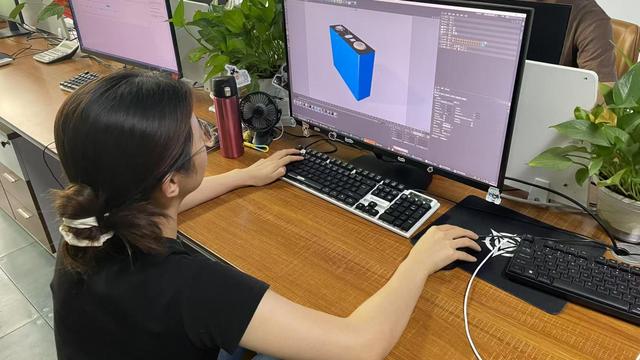
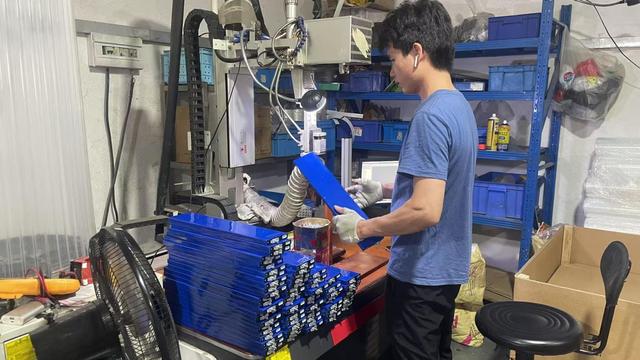
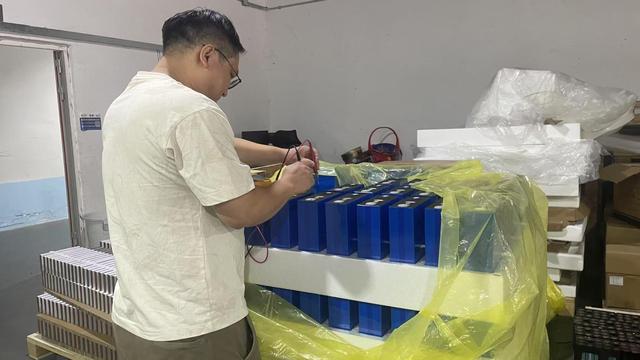
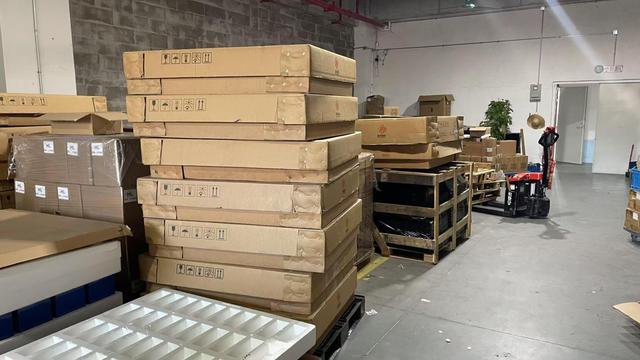
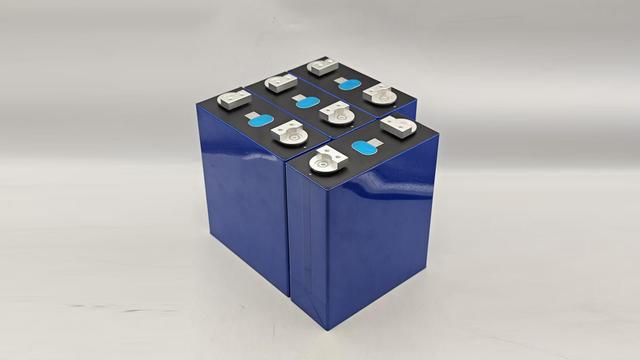
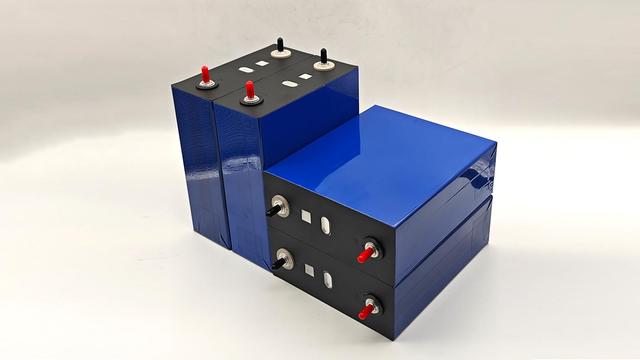
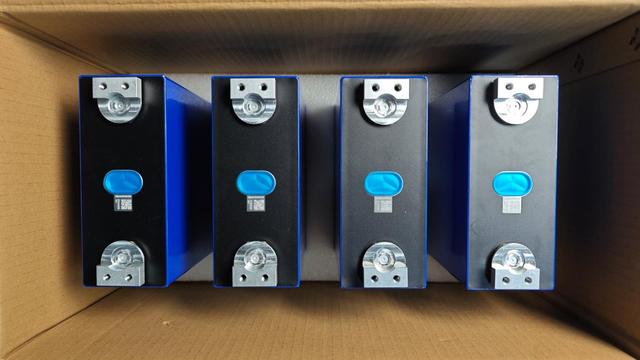
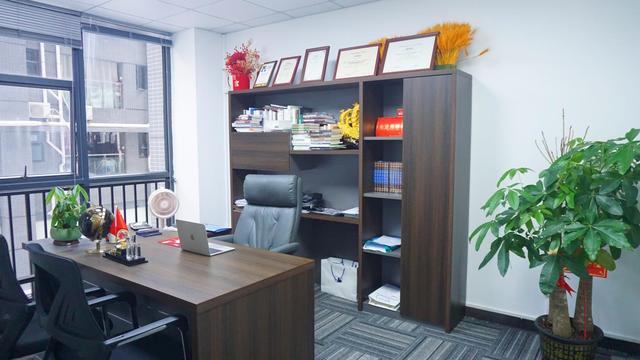
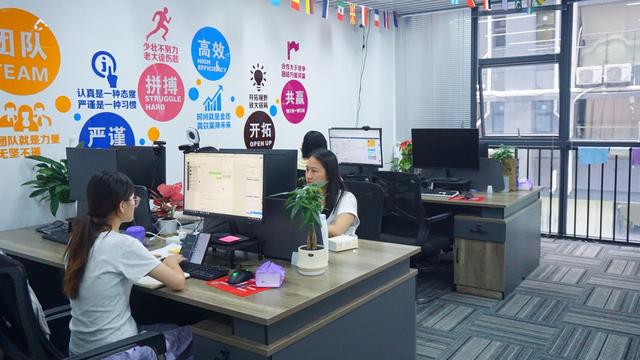
Our manufacturing and assembly processes utilize advanced robotics and automated testing cells to verify every unit before shipment. Below are actual views from our design workshops and assembly floors:
Deploying multi-megawatt BESS installations requires navigating complex local regulatory frameworks and grid compliance certificates. Without proper validation, importing equipment can lead to customs hold-ups or refusal of connection permits by local transmission operators.
All PowerSTN systems are engineered to meet strict international standards, particularly for the EU and North American markets. Our quality framework focuses on:
To support global developers, we maintain an international network of local engineering partners. This allows us to offer pre-installation consultations, dispatch certified commissioning technicians, and provide local warehousing options for quick spare parts replacement.
The energy storage sector is evolving rapidly. Current R&D priorities focus on lowering the Levelized Cost of Storage (LCOS) and improving fire safety. We are actively refining several technologies scheduled for integration in the next 18 to 36 months:
While standard liquid electrolytes in LiFePO4 cells are highly optimized, solid-state batteries represent the next frontier. By replacing flammable liquid components with solid ceramic or polymer barriers, we can virtually eliminate thermal runaway risks while increasing energy density beyond 250 Wh/kg.
Moving from reactive alarms to predictive diagnostics. By deploying Machine Learning (ML) models at the edge, our next-generation EMS monitors micro-trends in cell resistance, voltage drift, and thermal signatures. This allows the system to predict potential cell degradation up to 100 operating cycles before a performance drop occurs.
Industrial systems are increasingly transitioning from 1000V designs to 1500VDC architectures. This upgrade reduces required balance-of-system (BOS) cabling, cuts power conversion losses by up to 1.5%, and lowers structural hardware costs. It is quickly becoming the benchmark configuration for utility projects over 10MWh.
Answering core design, deployment, and safety questions for commercial energy project engineers.
Liquid cooling provides superior thermal uniformity, keeping temperature differences between cells within <3°C. In contrast, air cooling systems can experience differentials of 5°C to 8°C under heavy loads. Maintaining tight temperature control helps prevent uneven cell aging, lowers auxiliary HVAC power draw, and significantly reduces thermal runaway risks in hot environments.
In the EU, systems must carry the CE mark. This requires compliance with several harmonized standards, including EN 62619 (for industrial lithium safety), EN 61000 series (for EMC), and EN 62477-1 (for power electronic converter safety). Additionally, battery modules must possess UN38.3 certification to verify transport safety.
The ATS continuously monitors grid voltage or main microgrid bus health. If a power sag or grid outage is detected, the ATS isolates the primary line within milliseconds. It instantly routes power from the BESS while signaling the backup generator to start. Once the generator stabilizes, the system synchronizes both sources to share load currents smoothly.
Yes. Our systems are built with open communication protocols like Modbus TCP/RTU, CANbus, and optional IEC 61850. This allows our battery racks and PCS units to interface easily with third-party SCADA systems, municipal utility hubs, or custom EMS platforms.
Our Tier-1 LiFePO4 cells deliver more than 6,000 cycles at 80% Depth of Discharge (DoD) under standard 0.5C charging rates at 25°C. Even after 6,000 cycles, the system retains approximately 80% of its original capacity, allowing for continued use in secondary or less demanding operations.
Explore our full range of modular systems, high-voltage battery cabinets, and multi-megawatt container configurations.
 PowerSTN Energy