Energy storage technologies play a crucial role in modern energy systems. As we strive for cleaner energy sources, understanding these technologies becomes imperative. What is the difference between energy storage technologies? This question invites a closer examination of various options available today.
Different energy storage solutions, like batteries, pumped hydro, and thermal storage, each have distinct characteristics. For instance, lithium-ion batteries offer quick response times but may degrade over time. Pumped hydro provides large-scale storage with high efficiency, yet it requires specific geographical conditions. These nuances demand careful consideration for investors and developers alike.
As interest grows, so does the confusion surrounding these technologies. Reliable comparisons are necessary to navigate the evolving landscape. Awareness of the key differences can lead to informed decisions that shape a sustainable energy future. The ongoing advancements invite us to reflect on both the potential and the limitations of each technology.
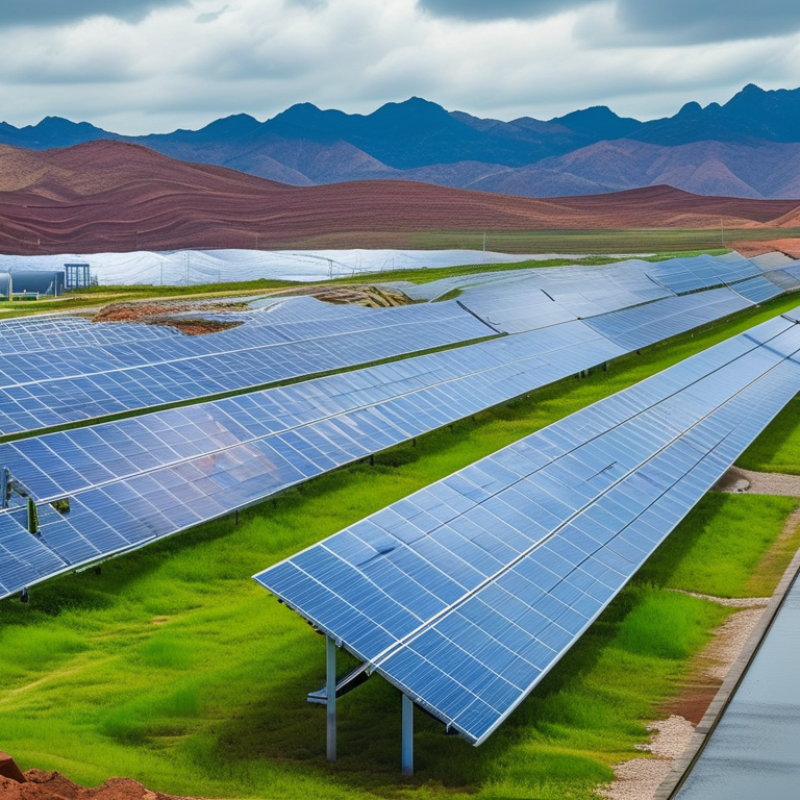
Overview of Energy Storage Technologies
Energy storage technologies play a crucial role in balancing supply and demand, particularly in renewable energy systems. The most common technologies include lithium-ion batteries, lead-acid batteries, pumped hydro storage, and thermal energy storage. Lithium-ion batteries dominate the market, accounting for about 70% of all energy storage installations in 2022, according to a recent report by the International Energy Agency. These batteries are known for their high energy density and efficiency. However, they face challenges like resource scarcity and recycling issues.
In contrast, pumped hydro storage is a more mature technology. It uses gravitational potential energy to store and release electricity efficiently. Reports indicate that it represents over 90% of global grid-scale energy storage. Yet, it requires significant geographical and environmental considerations. Thermal energy storage, converting heat to energy, is also gaining traction. It provides a reliable solution for managing peak demand, but its deployment can be limited by space and construction costs.
Tip: When considering energy storage solutions, evaluate your specific energy needs and local conditions. A mixed approach could provide both flexibility and reliability. Always stay updated with industry trends, as innovations are rapidly changing the landscape and improving efficiency.
Top Energy Storage Technologies and Their Key Differences
Classification of Energy Storage Methods
Energy storage methods can be classified into several main categories, each with unique features and applications. The most common types include mechanical, thermal, electrochemical, and chemical storage. Mechanical storage is exemplified by flywheels and pumped hydro systems. These methods store energy through physical movement or elevation, making them suitable for short-term energy needs.
Thermal storage involves capturing heat energy for later use. This can be seen in systems that store hot water or molten salt. Such technologies offer reliable sources for heating or power generation. On the other hand, electrochemical storage, particularly batteries, has gained traction. Batteries store energy through chemical reactions, allowing for portability and versatility across various applications, like electric vehicles and grid support.
Chemical storage, including hydrogen production, is another emerging area. It enables energy to be stored as a chemical compound, which can later be converted back to usable energy. While promising, this technology raises questions about efficiency and cost. Each method has its advantages and trade-offs. The choice of a storage solution often depends on the specific energy needs, duration, and economic factors. Understanding these classifications helps in selecting the right energy storage approach.
Comparison of Chemical vs. Physical Storage Techniques
When examining energy storage, both chemical and physical techniques stand out. Chemical storage often involves batteries. These devices convert chemical energy into electrical energy. Popular examples include lithium-ion and lead-acid batteries. They are widely used due to their high energy density. However, they can degrade over time and have limited cycle life. This leads to concerns about their long-term reliability and environmental impact.
Physical storage techniques, like pumped hydro and compressed air, store energy differently. Pumped hydro systems use gravity. Water is pumped uphill and released to generate electricity. Compressed air energy storage involves compressing air in underground caverns. While they are more sustainable, these methods are site-specific and may require significant infrastructure. The initial setup can be costly, but they hold promise for large-scale applications.
Both storage methods present advantages and drawbacks. The choice often comes down to specific use cases and available resources. Factors like location, available technology, and the scale of energy needs play crucial roles. Ultimately, advancing these technologies may offer improved solutions for energy storage in the future.
Key Performance Metrics for Energy Storage Solutions
Energy storage solutions play a vital role in enhancing grid stability and integrating renewable energy. Key performance metrics for evaluating these technologies include energy density, cycle life, and efficiency. According to the International Energy Agency, lithium-ion batteries currently dominate the market, offering high energy densities of around 250 Wh/kg. However, they often suffer from reduced efficiency over time, raising concerns about long-term reliability.
Another important metric is the cycle life of storage systems. Flow batteries, for instance, boast impressive cycle lives exceeding 10,000 cycles, significantly outperforming lithium-ion batteries which average around 2,000 cycles. This extended life comes with trade-offs in terms of energy density and upfront costs. As a result, businesses must weigh their needs against these differences.
Tips: Consider your energy demands and infrastructure when choosing storage methods. Calculate the total cost of ownership over time to find the best fit. Remember, not all energy storage systems serve every purpose; flexibility is key in decision-making. As energy needs evolve, so do the technologies and metrics that govern them. Understanding these nuances is crucial for sustainable growth.
Top Energy Storage Technologies and Their Key Differences
| Technology |
Energy Density (Wh/kg) |
Power Density (W/kg) |
Cycle Life (cycles) |
Efficiency (%) |
Cost ($/kWh) |
| Lithium-ion Batteries |
150-250 |
250-350 |
500-2000 |
90-95 |
200-500 |
| Lead-acid Batteries |
30-50 |
150-180 |
300-700 |
70-85 |
150-300 |
| Flow Batteries |
20-40 |
30-100 |
2000-10000 |
75-85 |
300-600 |
| Supercapacitors |
5-10 |
500-5000 |
10000-100000 |
85-95 |
1000-2000 |
| Sodium-ion Batteries |
100-150 |
150-200 |
500-2500 |
80-90 |
150-350 |
Emerging Trends in Energy Storage Innovations
Energy storage technologies are evolving rapidly. Recent industry reports highlight that the global energy storage market is expected to grow from USD 14.3 billion in 2022 to USD 40.4 billion by 2030. This expansion reflects increased demand for renewable energy integration and grid stability. Emerging trends focus on innovations such as solid-state batteries and advanced flow batteries, showing promise for higher energy densities and safer operations.
Researchers have noted the growing interest in thermal energy storage systems. These systems can store excess heat, which can be utilized for heating applications or converted back to electricity. According to the International Renewable Energy Agency, the installed capacity of thermal storage could reach 10 GW by 2030. This method offers a different approach to balancing supply and demand.
Tips: When selecting energy storage options, consider not only the cost but also the technology’s lifespan. Assess the energy density and efficiency ratings of each technology. Keep in mind that continuous improvements in technology could quickly change market dynamics. Embrace flexibility in your energy strategy to adapt to these advancements.
FAQS
: The main technologies include lithium-ion batteries, lead-acid batteries, pumped hydro storage, and thermal energy storage.
Lithium-ion batteries have high energy density and efficiency, making them ideal for many applications in energy storage.
Pumped hydro storage uses gravitational energy to store electricity, representing over 90% of global grid-scale energy storage.
Lithium-ion batteries face issues like resource scarcity and recycling difficulties, which can impact their sustainability.
Thermal energy storage captures heat, allowing it to be used later for heating or power generation during peak demand.
Evaluate local conditions, specific energy needs, and consider a mixed approach for better flexibility and reliability.
Mechanical storage includes systems like flywheels and pumped hydro, storing energy through physical movement for short-term needs.
Chemical storage allows energy to be stored in a chemical compound, enabling future conversion back to usable energy.
Each method has advantages and drawbacks based on efficiency, cost, and application suitability, requiring careful consideration.
The energy storage landscape is rapidly evolving, and new innovations can significantly improve efficiency and solutions available.
Conclusion
The article "Top Energy Storage Technologies and Their Key Differences" provides a comprehensive overview of various energy storage methods, highlighting their classifications and key distinctions. It delves into the differences between chemical and physical storage techniques, emphasizing how each type impacts efficiency, capacity, and application. By examining key performance metrics for energy storage solutions, the article outlines essential considerations for evaluating different technologies.
Furthermore, emerging trends in energy storage innovations are discussed, showcasing how advancements are shaping the future of energy management. A focal point of the article is understanding what is the difference between energy storage technologies, which is crucial for stakeholders in selecting appropriate solutions for their energy needs. Overall, this summary encapsulates the diverse landscape of energy storage while educating readers on the critical factors that differentiate these technologies.

 PowerSTN Energy